
Squirrels in Colorado Springs: Cute Outside, Destructive Inside

Quick Links
Get A Quote
Squirrels in Colorado Springs: Cute Outside, Destructive Inside
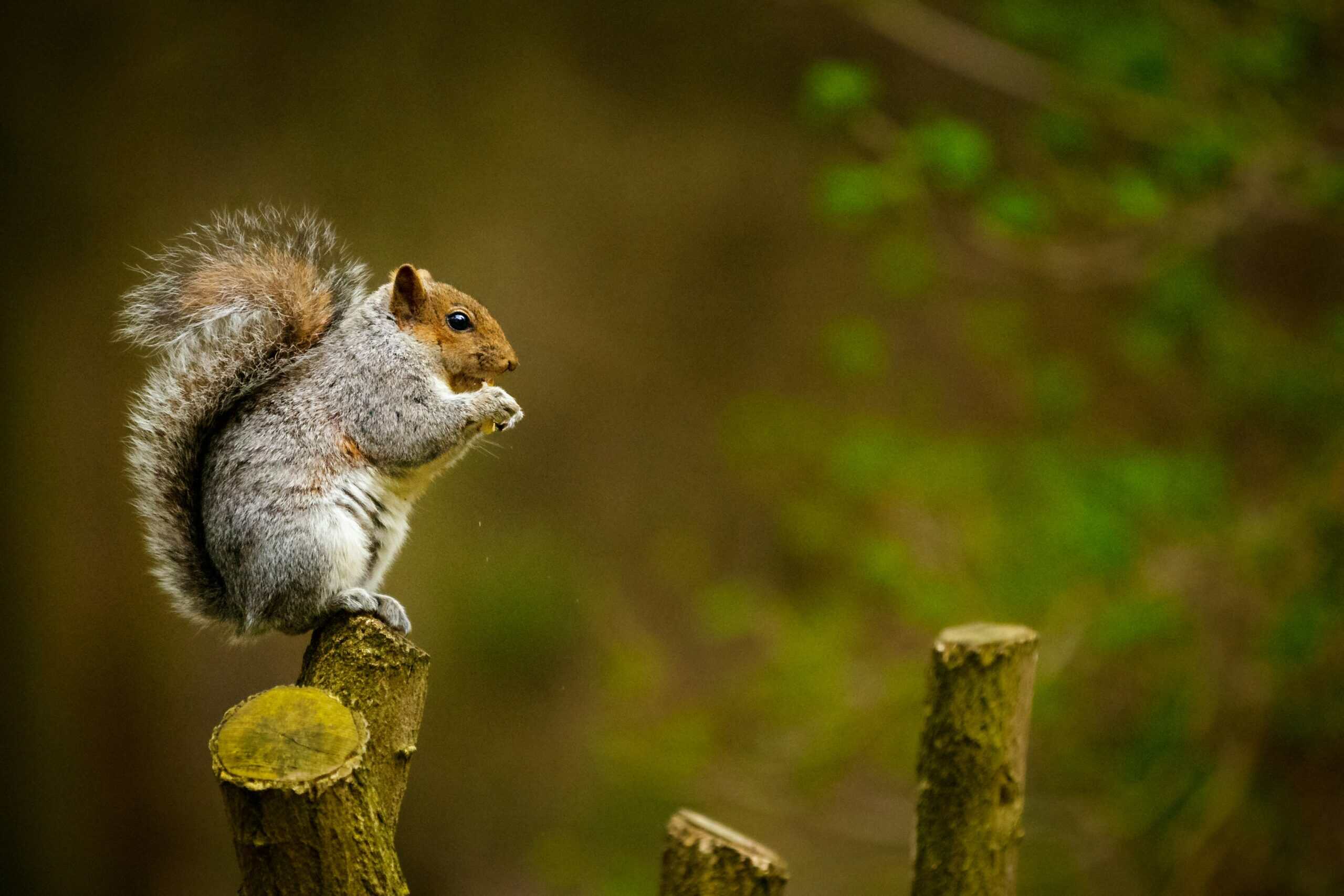
Squirrels are one of the most common wildlife calls K2 Kritter Solutions receives in Colorado Springs, and they are consistently underestimated as a structural problem. Outside they are harmless. Inside your attic, walls, or crawlspace they are chewing through wiring, shredding insulation, and gnawing on structural wood -- often for months before a homeowner realizes the extent of what is happening. By the time you hear them clearly enough to be certain something is up there, the damage is already done.

Getting squirrels out is only half the job. Sealing the entry points they used -- and the secondary gaps they would use if the primary one is closed -- is what prevents the problem from repeating. K2 Kritter Solutions handles both ends of the problem for homeowners throughout the Colorado Springs area.

Squirrel Behavior and Habits

Colorado Springs is home to several squirrel species, with the fox squirrel and Abert's squirrel being the most commonly encountered in residential areas. Rock squirrels -- a ground-dwelling species common in the foothills -- also cause problems for properties near open space, primarily through burrowing rather than attic intrusion.

Tree squirrels are diurnal, which means they are active during the day -- a useful distinguishing detail when trying to identify what is moving around in your attic. Scratching and movement sounds in the morning and late afternoon point to squirrels rather than raccoons or rats, which are primarily nocturnal.

Squirrels do not hibernate. They are active year-round, though they cache food heavily in fall in preparation for winter. They have two breeding seasons -- late winter and midsummer -- and pregnant females actively seek out warm, sheltered den sites during these periods. Your attic is an ideal squirrel nursery, and a female that raises a litter there will return to the same site in subsequent seasons.

They enter structures through gaps in soffits, damaged fascia boards, roof vents, and any opening large enough to fit their body -- roughly the size of a golf ball. Once inside, they gnaw constantly to keep their teeth worn down. Chewed electrical wiring is the most serious consequence of a squirrel infestation -- it is a direct fire hazard that is invisible until something goes wrong.

Signs You Have a Squirrel Problem

  • Scratching or scurrying in the attic during daylight hours. Squirrels are most active in the morning and late afternoon. Movement sounds in the attic during the day -- particularly around sunrise and late afternoon -- point strongly to squirrels.
  • Gnaw marks on exterior wood. Squirrels gnaw on fascia boards, soffits, roof edges, and window frames. Look for fresh gnaw marks -- lighter colored wood with rough edges -- around your roofline.
  • Damaged or displaced roof vents and soffits. Squirrels enlarge existing gaps or create new ones. Bent vent covers, displaced soffit panels, and gaps in the roofline are common entry points.
  • Chewed wiring or insulation in the attic. If you have attic access, look for chewed insulation, gnaw marks on wood framing, and damaged wiring. Chewed wiring with exposed conductors is a fire hazard that needs to be addressed immediately.
  • Nesting material in the attic. Squirrels build nests from insulation, leaves, bark, and other materials. A concentrated pile of nesting material in a corner or along a wall indicates an active den site.
  • Squirrels on your roofline regularly. A squirrel seen repeatedly accessing the same spot on your roof is actively using an entry point. Watch at sunrise and late afternoon for the clearest picture of their activity pattern.
  • Droppings in the attic. Squirrel droppings are small and elongated, similar to rat droppings but typically found scattered rather than concentrated along runways.

Can You Handle Squirrels Yourself?

Squirrels are not a protected species in Colorado -- tree squirrels can be trapped and removed without a special license, though there are regulations around relocation that are worth understanding before you start. Ground squirrels and rock squirrels have different classifications, so if you are dealing with a burrowing species rather than an attic intruder, check current Colorado Parks and Wildlife regulations before trapping.

What you can try:

  • Live trapping. Cage traps baited with peanut butter, sunflower seeds, or nuts placed near active entry points or along known travel routes can catch individual squirrels. The challenge is that trapping one squirrel in an active infestation does not solve the problem -- you need to trap every animal using the space, and new squirrels will move in through open entry points if exclusion work is not done simultaneously.
  • One-way exclusion devices. A one-way door installed over the primary entry point allows squirrels to exit but not re-enter. This works best when you are confident you have identified every entry point and can seal all secondary gaps at the same time. If squirrels are sealed out of their primary entry but secondary gaps remain open, they will use them -- or gnaw new ones.
  • Seal entry points. Hardware cloth, metal flashing, and steel mesh are the materials that hold up against squirrel gnawing. Caulk, foam, and wood alone will not last -- squirrels will chew through them. All gaps at the roofline larger than roughly one inch should be addressed.
  • Trim tree branches. Squirrels use overhanging branches as highway access to your roofline. Trimming branches to at least 8 to 10 feet from the roof removes their primary access route and makes your home significantly less vulnerable.

Where DIY falls short: The exclusion work is where most DIY attempts break down. Finding every gap in a roofline requires getting up close to the entire perimeter -- not just the obvious spots. A squirrel that is excluded from one entry point will find or create another if the job is not done completely. And if there are young in the attic when exclusion work is done, they cannot exit and will die in the structure. A professional approach stages the work around the breeding cycle and handles the whole family group before sealing the entry points.

Squirrels in Your Attic? Get It Handled Before the Damage Gets Worse

The longer squirrels are in your attic, the more wiring, insulation, and structural wood they damage. K2 Kritter Solutions removes squirrels, seals the entry points with materials that hold, and repairs the damage they leave behind. We have been handling squirrel problems in Colorado Springs since 2010 and know how to get this done without creating new problems in the process.

Call us at (719) 358-1856 or fill out our contact form to schedule an inspection. We will tell you exactly what you are dealing with and what it will take to resolve it.

Sign Up To Newsletter
Copyright K2 Kritter Solutions 2026 All Rights Reserved.