
Snakes in Colorado Springs: When to Leave Them Alone and When to Call

Quick Links
Get A Quote
snake removal
Colorado Springs sits at the edge of rattlesnake country, and snake encounters on residential properties are a regular reality for homeowners in the area -- particularly those near open space, foothills, and undeveloped land. Most snakes encountered in and around Colorado Springs are nonvenomous and genuinely beneficial, keeping rodent and insect populations in check. But a rattlesnake in your yard, near your children or pets, or inside your home is not a situation you manage with a shovel and good intentions.

K2 Kritter Solutions handles snake removal throughout the Colorado Springs area. We identify the species, assess the situation, and remove snakes that pose a real risk safely and humanely -- without harming beneficial species that are doing more good than harm.

Snake Behavior and Habits

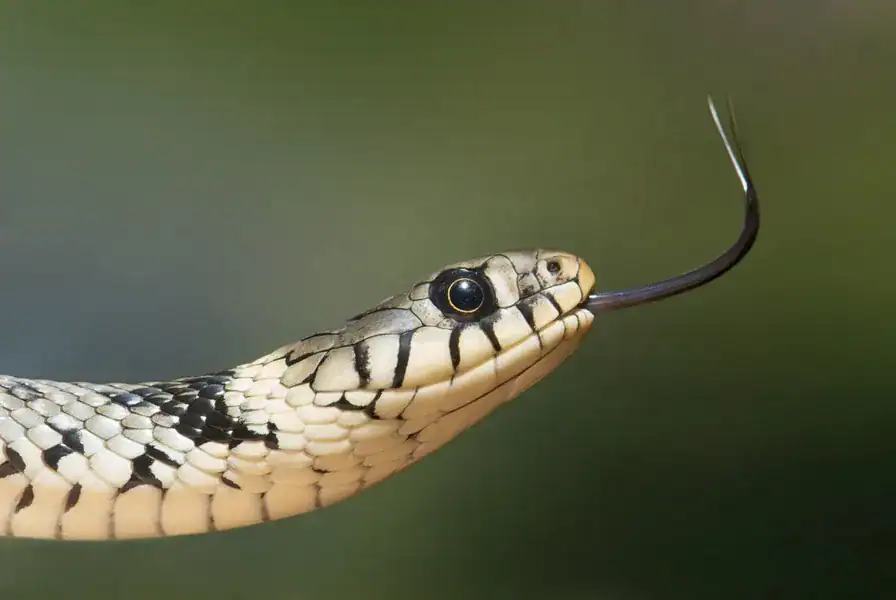
Colorado is home to roughly 30 snake species, and the Colorado Springs area hosts a significant portion of them. The vast majority are nonvenomous -- garter snakes, bull snakes, milk snakes, and western hognose snakes are among the most commonly encountered in residential settings. These species are harmless to humans and actively suppress rodent populations. A bull snake in your yard is not a problem -- it is free pest control.

The exception is the western rattlesnake, which is the only venomous snake species regularly encountered in the Colorado Springs area. Rattlesnakes are most active from late spring through early fall, when temperatures are warm enough for them to forage and thermoregulate. They are ambush predators that prefer rocky outcroppings, brush piles, wood stacks, and tall grass -- all common features of properties near open space or the foothills.

Snakes are ectothermic and seek warmth. In late summer and early fall they are drawn to sun-warmed concrete, south-facing rock walls, and warm structures. Crawlspaces, basements, and garages provide shelter and attract snakes following rodent prey indoors. A snake found inside a home almost always got there following food -- which means a snake inside your structure is also a sign of a rodent problem worth investigating.

Rattlesnakes den communally in winter, returning to the same hibernation sites -- called hibernacula -- year after year. Properties near known rattlesnake habitat will see increased snake activity in spring when snakes disperse from dens and in fall when they return.

Signs You Have a Snake Problem

  • Visual sightings. The most direct sign. If you are seeing snakes regularly in a specific area of your yard, near a structure, or inside your home, there is a reason they keep appearing there -- food, shelter, or warmth.
  • Shed snake skins. Snakes shed their skin periodically as they grow. Finding shed skins in your garage, basement, crawlspace, or along your foundation confirms snake activity in or near your structure.
  • Rodent activity. A snake inside your home is almost always following prey. If you have a snake problem, check for signs of mice or rats -- droppings, gnaw marks, grease trails along baseboards.
  • Gaps and entry points in your foundation or exterior. Snakes follow the same routes rodents use to enter structures. Gaps around utility penetrations, foundation cracks, and spaces under doors are snake entry points as well as rodent entry points.
  • Pets fixating on a specific area. Dogs and cats will often detect snakes before humans do and fixate on a specific spot in the yard, near a wood pile, or along a fence line.

Can You Handle Snakes Yourself?

For nonvenomous snakes, there is a reasonable DIY path. For rattlesnakes, the answer is no -- and attempting it is genuinely dangerous.

For nonvenomous snakes:

  • Leave them alone when possible. A bull snake or garter snake in your yard is not a threat. If it is not near a door or a high-traffic area, the most practical approach is to let it move on.
  • Relocate carefully. A nonvenomous snake that has entered your garage or home can be guided into a trash can or pillowcase using a broom or long-handled tool and released well away from your structure. Do not handle it directly -- even nonvenomous snakes will bite when stressed.
  • Eliminate attractants. Reducing rodent populations, clearing brush and wood piles away from the foundation, sealing gaps in your exterior, and keeping grass trimmed all make your property less attractive to snakes looking for food and shelter.
  • Seal entry points. The same exclusion work that keeps rodents out keeps snakes out. A properly sealed foundation and crawlspace dramatically reduces snake intrusion.

For rattlesnakes:

Do not attempt to handle, relocate, or kill a rattlesnake yourself. Rattlesnake bites are a genuine medical emergency. The majority of snakebite incidents occur when people attempt to handle or kill the snake rather than from an unprovoked strike. A rattlesnake in your yard or home needs to be handled by someone with the experience and equipment to do it safely.

It is also worth noting that rattlesnakes are a protected species in Colorado. Killing one without proper authorization is illegal.

Snake in Your Yard or Home? Call K2 Kritter Solutions

K2 Kritter Solutions handles snake removal throughout the Colorado Springs area. We identify the species, assess the access points and attractants that are drawing snakes to your property, and remove venomous snakes safely. We also address the underlying rodent issues that bring snakes inside structures in the first place.

If you have a rattlesnake on your property or a snake inside your home, do not try to handle it yourself. Call us at (719) 358-1856 or fill out our contact form and we will get out to you.

Sign Up To Newsletter
Copyright K2 Kritter Solutions 2026 All Rights Reserved.