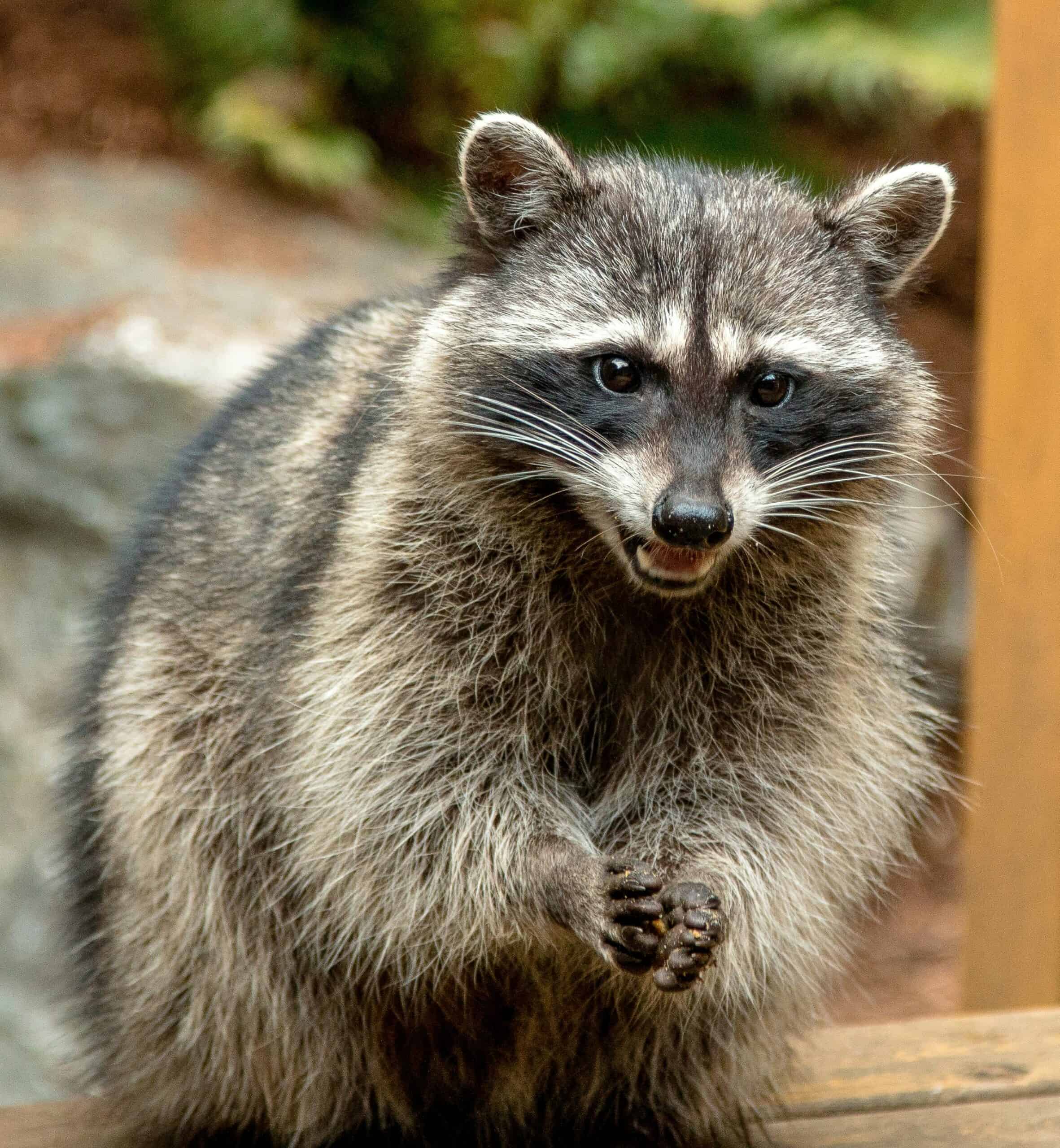
Raccoons are nocturnal omnivores that thrive in urban and suburban environments. Colorado Springs provides everything they need -- wooded creek corridors, accessible trash, pet food left outside, and older homes with vulnerable rooflines and soffits. They are opportunistic and persistent, and they have excellent spatial memory. A raccoon that found food in your yard two years ago still remembers it.
Raccoons do not hibernate but are less active in the coldest winter months. Their most problematic period for homeowners is late winter through spring, when pregnant females seek out warm, sheltered den sites to give birth and raise kits. Your attic is an ideal raccoon nursery -- warm, dry, quiet, and elevated. A female that raises a litter in your attic will return to the same site the following year, and her offspring often do the same as they mature.
They are strong animals relative to their size. Raccoons routinely tear back roof shingles, rip through soffits, pry open vents, and pull back fascia boards to create or enlarge entry points. They do not need a large existing gap -- they create one if the conditions are right.
Raccoons can carry rabies, raccoon roundworm, and leptospirosis. Raccoon roundworm in particular is a serious concern -- the eggs are present in raccoon feces and can persist in the environment for years. Cleanup of raccoon latrines in an attic is not a straightforward job and should not be treated as one.
Raccoons are classified as a furbearer species in Colorado, which means trapping and relocation requires a license. That rules out DIY trapping for most homeowners. Beyond the legal issue, raccoon removal is genuinely complicated when kits are involved -- removing an adult female without addressing the kits she may have left in your attic creates a secondary problem that is often worse than the original.
What you can try:
Where DIY falls short: Once a raccoon is inside your attic, deterrents are not going to get it out. And if there are kits present, the situation requires a careful approach that handles the whole family group at once. Trapping the adult and leaving kits in the attic results in them dying in the structure -- the resulting odor and contamination problem is significant and expensive to remediate. A professional handles the adult and the kits together, then seals the entry point so the cycle does not repeat.
Attic cleanup after a raccoon infestation is also not a DIY job. Raccoon roundworm eggs require specific handling and disposal procedures. Contaminated insulation typically needs to be removed and replaced entirely.
K2 Kritter Solutions handles raccoon removal the right way -- trapping, exclusion, damage repair, and cleanup. We have been doing this in Colorado Springs since 2010 and we know how to resolve raccoon problems without creating new ones in the process.
If you are hearing something heavy in your attic, finding damage on your roofline, or dealing with raccoons raiding your trash or yard, do not wait. The longer a raccoon is in your attic, the more cleanup and repair work is involved when it finally comes out.
Call us at (719) 358-1856 or fill out our contact form to schedule an inspection.