
Mice in Colorado Springs: A Small Animal With a Big Impact

Quick Links
Get A Quote
mice removal
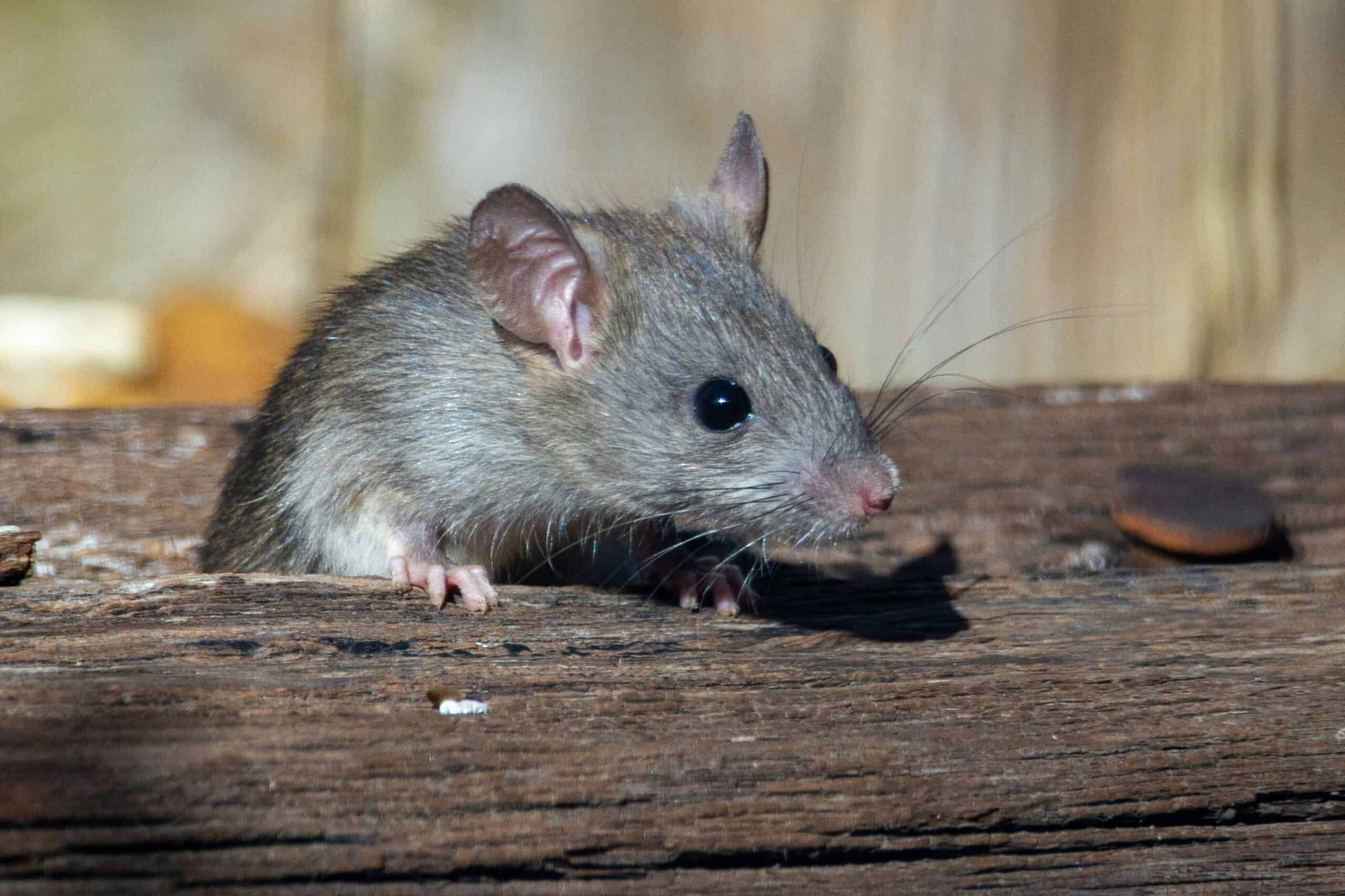
Mice are the most common wildlife intrusion K2 Kritter Solutions deals with in the Colorado Springs area, and they are consistently underestimated. A mouse in the house feels like a minor nuisance until you understand what is actually happening inside your walls. They reproduce at a rate that turns a small entry problem into a full infestation within weeks. They contaminate food, surfaces, and insulation with droppings, urine, and nesting material. They chew through wiring, creating fire hazards that are invisible until something goes wrong.

The other problem with mice is that most people address the symptom instead of the cause. Snap traps and bait stations catch individual mice but do nothing about the entry points that are letting them in. As long as those gaps exist, the infestation continues. K2 Kritter Solutions handles the full problem -- removal and exclusion -- so the mice are gone and staying gone.

Mouse Behavior and Habits

The house mouse and the deer mouse are the two species most commonly encountered in Colorado Springs homes and businesses. The house mouse is a true commensal rodent -- it has evolved to live alongside humans and depends on human structures for food and shelter. The deer mouse is a native species that moves indoors opportunistically, particularly in fall as temperatures drop.

Both species are nocturnal, small enough to squeeze through a gap the size of a dime, and capable of reproducing rapidly. A female mouse can produce 5 to 10 litters per year with 5 to 6 pups per litter. The math on an untreated infestation is not good.

Mice do not travel far from their nest -- typically no more than 30 feet in their daily range. This means a mouse found in your kitchen almost certainly has a nest somewhere nearby, inside your walls, under your cabinets, or in your insulation. They follow established routes along walls and baseboards, which is why you often see droppings concentrated along the same path.

The deer mouse carries a specific and serious health risk worth flagging: it is the primary carrier of hantavirus in Colorado. Hantavirus is transmitted through contact with or inhalation of aerosolized deer mouse droppings, urine, or nesting material. It is rare but serious, and cleanup of deer mouse infestations requires appropriate precautions.

Signs You Have a Mouse Problem

  • Droppings. Mouse droppings are small, dark, and rod-shaped, roughly 1/4 inch long. Fresh droppings are moist and dark; older ones are dry and gray. High concentrations along baseboards, in cabinets, or in the back of drawers indicate active activity nearby.
  • Gnaw marks. Mice chew constantly to keep their teeth worn down. Look for gnaw marks on food packaging, wooden cabinet edges, baseboards, and wiring insulation.
  • Sounds inside walls or ceilings. Scratching, scurrying, or squeaking sounds -- particularly at night -- coming from inside walls, ceilings, or under floors.
  • Nesting material. Mice build nests from shredded paper, insulation, fabric, and other soft materials. Finding a nest in a drawer, cabinet, or wall void confirms an active infestation.
  • Grease marks along baseboards. Mice travel the same routes repeatedly and leave oily smudge marks from their fur along walls and baseboards.
  • Chewed food packaging. Mice chew through cardboard, plastic bags, and thin containers to access food. Check pantry items for gnaw marks or entry holes.
  • Pet behavior. Cats and dogs will often fixate on a wall, cabinet, or corner where mice are active, even before a human notices any other signs.

Can You Handle Mice Yourself?

Mice are not a protected species, so there are no legal restrictions on trapping and removing them yourself. DIY mouse control is legitimate and can work for minor, early-stage problems. Here is an honest breakdown of what works and where it falls apart.

What you can try:

  • Snap traps. The classic snap trap remains one of the most effective mouse control tools available. Place them along baseboards and walls -- perpendicular to the wall with the trigger end facing the wall -- in areas where you have seen droppings or activity. Use peanut butter as bait. Check and reset daily.
  • Seal entry points. This is the step most people skip, and it is the most important one. Mice enter through gaps around pipes, utility penetrations, foundation cracks, gaps under doors, and weep holes in brick. Steel wool stuffed into gaps and covered with caulk is a temporary measure. Proper exclusion involves identifying every entry point and sealing them with materials mice cannot chew through.
  • Eliminate food and water sources. Store dry goods in hard-sided containers. Do not leave pet food out overnight. Fix dripping faucets and address any moisture issues that attract mice.
  • Keep clutter down. Stacked boxes, dense storage areas, and cluttered garages give mice ideal nesting cover. Reducing clutter reduces habitat.

Where DIY falls short: Traps catch mice but do not stop new ones from entering. If you are catching mice consistently over multiple weeks, you have an ongoing entry problem, not just a few stray animals. At that point, exclusion work is the only real solution, and finding every gap in a home's exterior requires experience and a systematic approach that most homeowners are not equipped to do thoroughly.

Deer mouse infestations require extra caution. If you have reason to believe you are dealing with deer mice -- rural or semi-rural property, evidence of infestation in a space that has been closed up for a period of time -- do not clean up droppings and nesting material without proper respiratory protection. When in doubt, call a professional.

Get Mice Out and Keep Them Out

K2 Kritter Solutions handles mouse problems from both ends -- removal and exclusion. We find where they are getting in, seal those entry points with materials that hold, and eliminate the infestation without poisons or chemicals that put your family or pets at risk.

If you are finding droppings, hearing activity in your walls, or catching mice on traps that keep getting triggered, the problem is bigger than a few traps will solve. Call us at (719) 358-1856 or fill out our contact form and we will get out to assess the situation.

Sign Up To Newsletter
Copyright K2 Kritter Solutions 2026 All Rights Reserved.