
Pocket Gophers in Colorado Springs: Underground Damage You Cannot Afford to Ignore

Quick Links
Get A Quote
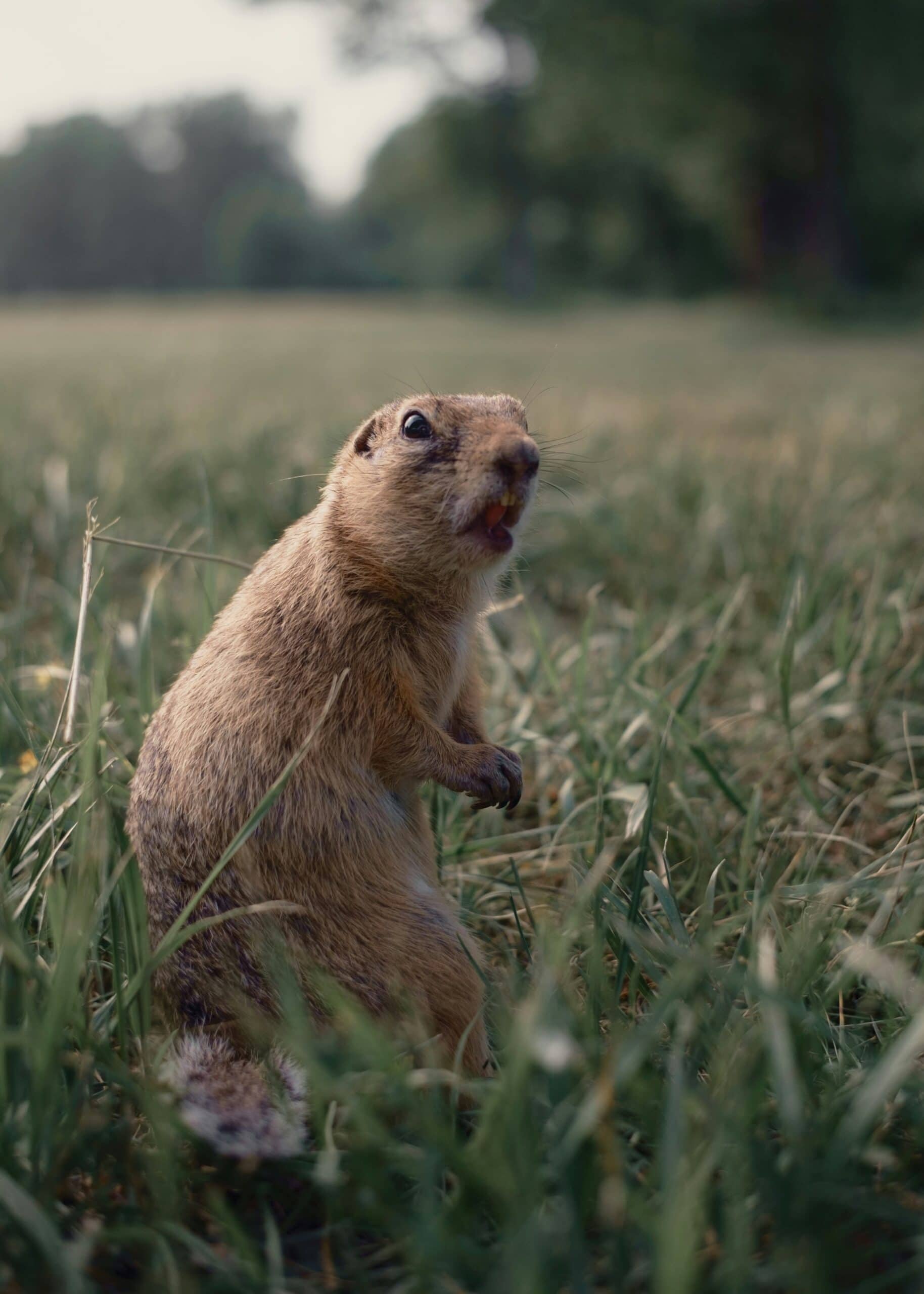
Prairie dog standing upright in a grassy field, alert and watchful.
Pocket gophers are one of the most destructive yard pests in the Colorado Springs area, and they do most of their damage where you cannot see it. By the time a gopher infestation becomes obvious on the surface -- mounds of fresh soil, dead patches of grass, collapsing garden beds -- the tunnel network underneath is already extensive. A single gopher can dig hundreds of feet of tunnels and destroy root systems across a significant portion of your yard in a single season.

They are not a nuisance you can wait out. Gophers do not move on when conditions are comfortable, and an untreated infestation grows. K2 Kritter Solutions uses targeted, chemical-free trapping methods to clear gopher infestations and protect your property from further damage.

Gopher Behavior and Habits

The pocket gopher -- named for the fur-lined cheek pouches it uses to carry food -- is the species Colorado Springs homeowners deal with most. They are solitary, territorial, and almost entirely subterranean. A single gopher occupies and defends its own tunnel system, which means a yard with multiple active mounds may have multiple individual gophers, each requiring separate trapping.

Gophers are active year-round. They do not hibernate, and in winter they continue digging below the frost line and feeding on roots and bulbs. They are most visibly active in spring and fall when soil conditions are ideal for digging, but the damage continues regardless of season.

Their tunnel systems serve multiple purposes -- feeding runs branch off a main tunnel and target the roots of grasses, garden plants, shrubs, and trees. A gopher feeding on the root system of a mature tree or shrub can kill it from the ground up with no visible above-ground sign until the plant is already dying.

Gophers also damage irrigation systems. Drip lines and buried irrigation components are frequently chewed through, and tunnel collapse can break pipes and disrupt water distribution across a yard or garden.

Signs You Have a Gopher Problem

  • Fresh crescent or fan-shaped mounds. Pocket gopher mounds are asymmetrical -- pushed to one side of the plugged tunnel opening. They appear suddenly and multiply quickly in active infestations.
  • Dead or dying plants with no obvious above-ground cause. If grass is dying in patches or garden plants are wilting despite adequate water, root damage from gophers is a likely cause. Pull a dead plant and check the roots.
  • Severed drip lines or irrigation components. Gophers chew through plastic irrigation lines regularly. Unexplained wet spots or dry zones in a drip-irrigated garden are worth investigating underground.
  • Tunnel collapse. In areas with extensive tunneling, the ground surface may feel spongy or collapse underfoot. This is a sign of a well-established tunnel network.
  • Plants pulled underground. Gophers will pull entire small plants and bulbs downward into their tunnels. If plants are disappearing root-first, gophers are the most likely explanation.

Can You Handle Gophers Yourself?

Unlike several other critters K2 Kritter Solutions deals with, pocket gophers are not a protected species in Colorado. That means trapping and removal is legal for property owners without a special license, and there are DIY options worth knowing about.

What you can try:

  • Trapping. Pincer-style gopher traps placed directly in the main tunnel are the most effective DIY method. Locate an active tunnel by probing the soil near a fresh mound, excavate to the main run, and set traps in both directions. Check traps daily and reset as needed. This works but requires patience and consistency -- you need to trap every individual gopher in the infestation, and new gophers can move in from adjacent properties.
  • Exclusion for garden beds. Lining raised garden beds with hardware cloth on the bottom and sides prevents gophers from entering from below. This protects the bed but does not address gophers elsewhere in the yard.
  • Gopher-resistant plants. Certain plants -- gopher spurge, lavender, rosemary, and salvia among them -- are avoided by gophers due to scent or taste. Planting these as borders around vulnerable areas can reduce activity, though it is not a reliable solution for an active infestation.

Where DIY falls short: Trapping a large infestation is time-consuming and easy to do incorrectly. Improperly set traps produce poor results and allow the infestation to continue growing. For established infestations, commercial property, or situations where previous DIY attempts have not worked, professional trapping is significantly more effective and efficient.

K2 Kritter Solutions uses targeted trapping methods to clear infestations systematically, without poisons or chemicals that could harm pets, children, or the surrounding environment.

Get Your Yard Back from Gophers

If gophers are tearing up your lawn, killing your plants, or damaging your irrigation system in the Colorado Springs area, K2 Kritter Solutions can clear the infestation and help you protect your property going forward.

Call us at (719) 358-1856 or fill out our contact form to schedule an inspection. We will assess the extent of the infestation and give you a clear, honest plan for getting it under control.

Sign Up To Newsletter
Copyright K2 Kritter Solutions 2026 All Rights Reserved.