
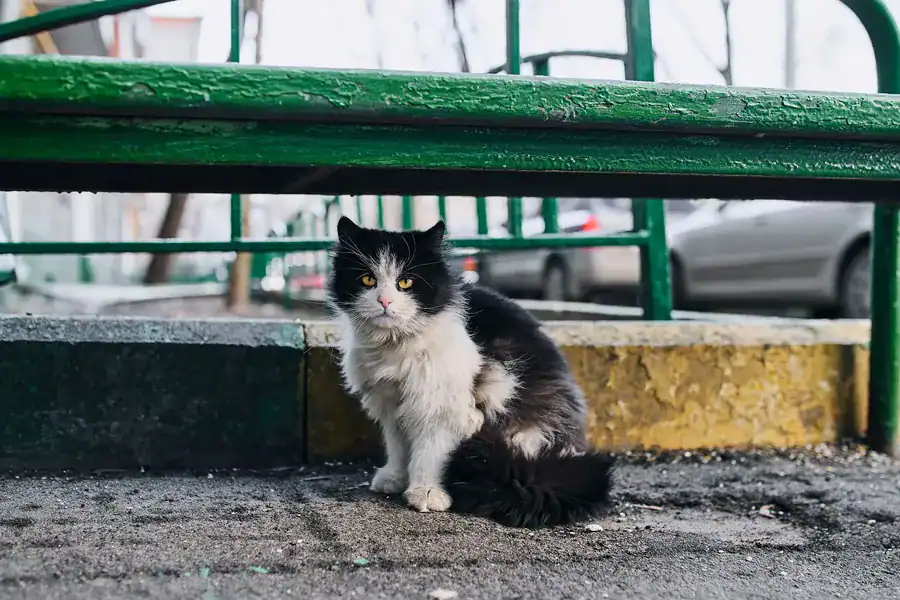
The distinction between a feral cat and a stray cat matters for how removal is approached. A stray cat is a previously owned or socialized cat that has been lost or abandoned -- it may be approachable and can often be rehomed. A feral cat has had little or no human contact and is genuinely wild in its behavior. It will not be handled, will not warm up to people over time in most cases, and is not a candidate for adoption as a house pet.
Feral cats are nocturnal and crepuscular, most active at night and around dawn and dusk. They are highly territorial and will defend a colony's feeding area aggressively against other cats. Colonies form around reliable food sources -- dumpsters, intentional feeding by residents, and accessible garbage are the primary attractants in urban and suburban Colorado Springs.
They reproduce prolifically. A female cat can produce two to three litters per year with four to six kittens per litter. Kittens born to feral mothers are themselves feral if not socialized during a narrow window in early kittenhood. An unmanaged colony does not stabilize on its own -- it grows until the food supply is exhausted or intervention occurs.
Feral cats are capable of carrying and transmitting rabies, toxoplasmosis, and feline leukemia. Toxoplasmosis in particular is a concern for households with pregnant women or immunocompromised individuals, as the parasite is shed in cat feces and can persist in soil for months.
Feral cat management is one area where DIY attempts frequently make the problem worse rather than better. Here is an honest breakdown of what works and what does not.
What tends not to work:
What you can do:
Where DIY falls short: Live trapping feral cats requires proper equipment, correct placement, and experience with cat behavior. Improperly set traps catch the wrong animals, alert the target cats, and produce poor results. And without a clear plan for what happens after trapping, you end up with a live feral cat in a trap and no good next step.
K2 Kritter Solutions handles feral cat removal throughout the Colorado Springs area using humane live trapping methods. If feral cats are causing problems on your property -- odor, garden damage, noise, predation on wildlife, or health concerns -- we can help.
Call us at (719) 358-1856 or fill out our contact form to schedule an assessment.