
Coyotes in Colorado Springs: When a Native Predator Becomes a Problem

Quick Links
Get A Quote
coyote removal
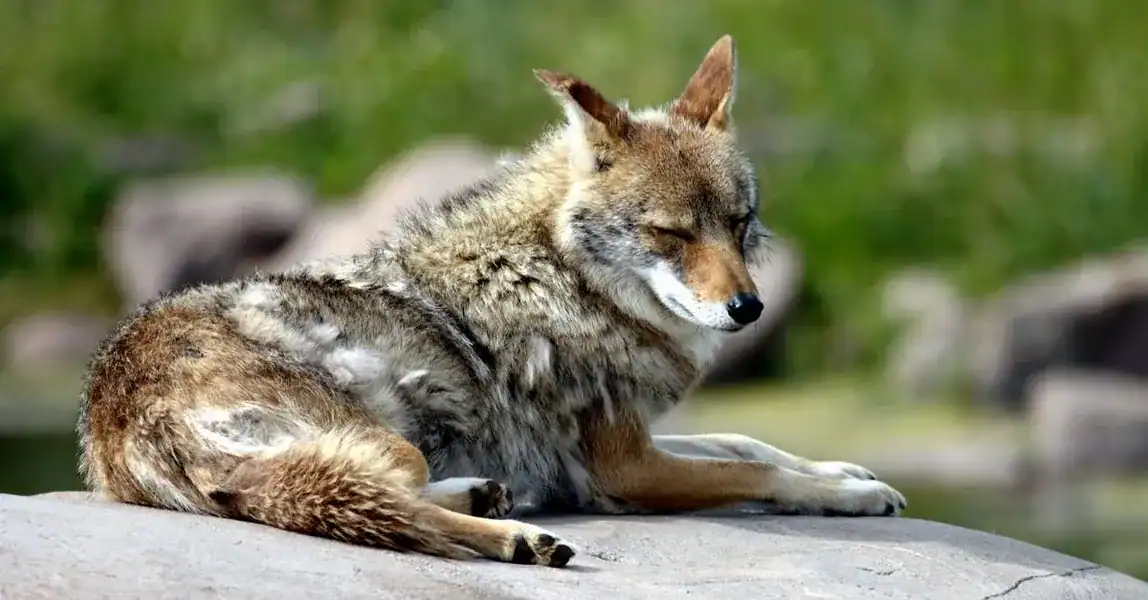
Coyotes are a permanent fixture of the Colorado Springs landscape. They live in every corner of the city -- from the foothills to urban neighborhoods -- and most of the time they coexist with people without incident. The problem starts when coyotes lose their wariness of humans, begin associating residential areas with food, or start preying on pets and livestock. At that point the dynamic shifts from coexistence to conflict, and a coyote that has become bold or food-conditioned is not going to change its behavior on its own.

Coyotes are a protected species under Colorado state law and managing them requires a specific approach. K2 Kritter Solutions handles coyote conflict situations throughout the Colorado Springs area, assessing what is driving the problem and addressing it correctly.

Coyote Behavior and Habits

Coyotes are one of the most adaptable predators in North America. They are intelligent, highly social within family groups, and capable of exploiting almost any food source available to them -- rodents, rabbits, fruit, garbage, pet food, and small pets. Their adaptability is exactly what makes them successful in urban environments and exactly what makes a food-conditioned coyote a persistent problem.

They are primarily crepuscular -- most active at dawn and dusk -- but urban coyotes frequently shift to more nocturnal activity patterns in response to human activity. Sightings during daylight hours are not automatically a sign of rabies or illness in coyotes the way they might be with raccoons or skunks, though unusually bold behavior around people is always worth taking seriously.

Coyotes mate in late winter, with pups born in spring. During denning season -- roughly April through June -- coyotes become significantly more territorial and defensive. A coyote that is normally avoidant may become aggressive near a den site during this period. Pups begin ranging widely by late summer, which is when juvenile coyotes are most commonly encountered in residential areas as they establish their own territories.

Coyote packs operate within defined home ranges and will defend those ranges against other coyotes. Lethal removal of a territorial coyote often results in replacement by another animal from outside the territory, which is one of the reasons targeted removal without addressing the underlying attractants rarely produces lasting results.

Signs You Have a Coyote Problem

  • Missing small pets or livestock. Coyotes are capable predators of cats, small dogs, chickens, and rabbits. A pet that disappears overnight or a raided coop with no sign of forced entry are common indicators.
  • Sightings near your home during daylight hours. A coyote seen regularly near your property during the day, particularly near structures or food sources, is likely food-conditioned and has lost appropriate wariness of humans.
  • Coyote vocalizations near your property at night. Howling, yipping, and barking near your home consistently is a sign of an established territory nearby. This alone is not a problem but is worth monitoring.
  • Tracks and scat near your yard or garden. Coyote tracks are oval with four toes and claw marks, similar to a medium-sized dog but narrower and more elongated. Scat is often left in prominent locations as territorial markers.
  • Aggressive behavior toward people or pets. A coyote that approaches people, follows walkers or runners, or shows no response to hazing is food-conditioned and needs to be reported and addressed immediately.
  • Den activity near your property. A coyote den -- a burrow or concealed space with evidence of recent digging and use -- found near your home during spring is a sign that pups are likely present.

Can You Handle Coyotes Yourself?

Coyotes are protected under Colorado state law, and trapping or killing them requires proper licensing and authorization. That rules out DIY removal. That said, there is a legitimate and effective set of hazing and deterrence practices that homeowners can and should use to manage coyote conflict before it escalates to the point of requiring professional intervention.

What you can try:

  • Hazing. Hazing means making coyotes feel unwelcome and unsafe around humans and residential areas. When you encounter a coyote, do not retreat -- stand your ground, make yourself large, make loud noise, and throw objects toward it. The goal is to reinforce natural wariness. Hazing only works if it is consistent -- a coyote that gets hazed by one person and fed by another does not learn the right lesson.
  • Never feed coyotes, intentionally or otherwise. This is the single most important thing a homeowner can do. Unsecured trash, pet food left outside, fallen fruit, and accessible compost all constitute food sources. A coyote that associates your property with food will return to it indefinitely.
  • Secure small pets. Do not leave small dogs or cats outside unattended, particularly at dawn, dusk, or overnight. A coyote-proof enclosure for backyard poultry means hardware cloth on all sides including the top and a buried apron to prevent digging under.
  • Coyote-proof fencing. A fence that is at least 6 feet tall with a coyote roller or outward-angled extension at the top will deter most coyotes. Standard 4-foot fences are not adequate -- coyotes clear them easily.
  • Motion-activated deterrents. Lights, sprinklers, and noise devices can discourage coyotes from frequenting specific areas of your yard, particularly for properties near open space.

Where DIY falls short: Hazing and deterrence work well for maintaining appropriate coyote behavior in areas where coyotes are not yet food-conditioned. Once a coyote has become bold, is actively preying on pets, or is showing aggression toward people, deterrence alone is not a realistic solution. At that point professional assessment and in some cases removal is the right call, and that requires proper licensing and coordination with Colorado Parks and Wildlife.

Coyote Conflict on Your Property? K2 Kritter Solutions Can Help

K2 Kritter Solutions assesses coyote conflict situations throughout the Colorado Springs area, identifies what is driving the problem, and determines the appropriate course of action. We handle removal when it is warranted and do it in compliance with Colorado wildlife law.

If you are losing pets or livestock, dealing with a bold or aggressive coyote, or seeing concerning behavior near your home, call us at (719) 358-1856 or fill out our contact form. We will give you a straight assessment of the situation and what your options are.

Sign Up To Newsletter
Copyright K2 Kritter Solutions 2026 All Rights Reserved.