
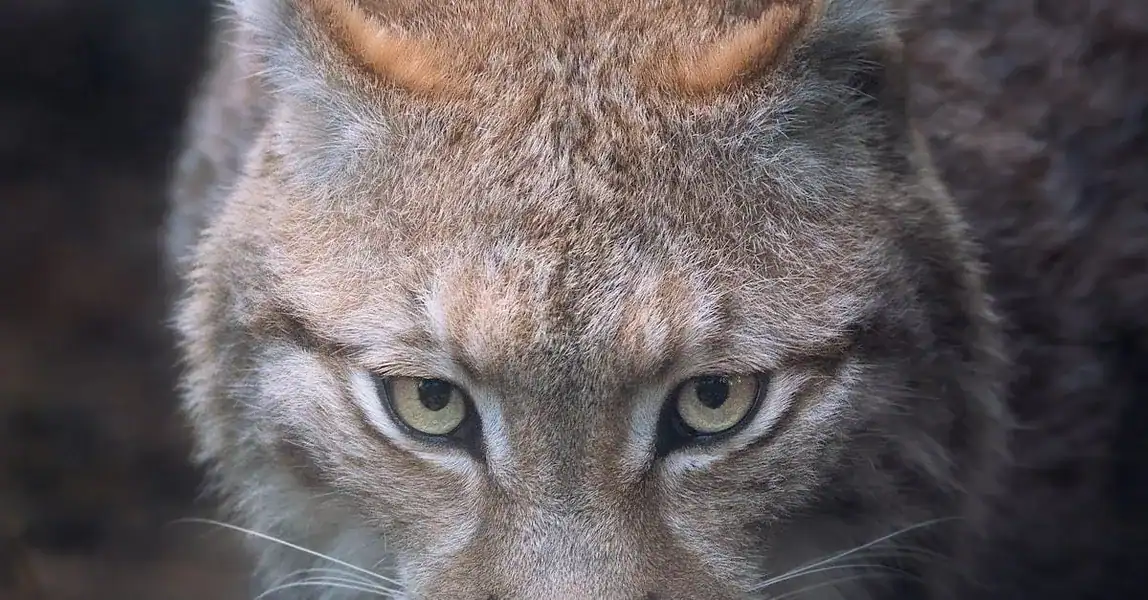
Bobcats in Colorado Springs: When a Wild Predator Gets Too Close

Quick Links
Get A Quote
bobcat removal
Bobcats are a natural part of Colorado's Front Range ecosystem, and most of the time they keep their distance from people. They are secretive, solitary, and generally not interested in conflict. But as Colorado Springs continues to expand into foothills and open space, bobcat encounters on residential properties have become more common -- and when a bobcat starts regularly appearing in your yard, targeting your pets or livestock, or showing signs of illness, it becomes a problem that needs to be addressed.

Bobcats are protected under Colorado state law. You cannot trap, relocate, or kill them without proper authorization. Handling a bobcat situation the wrong way -- or attempting to do it yourself -- puts you at legal risk and rarely resolves the underlying problem. K2 Kritter Solutions has the experience and the proper licensing to handle bobcat situations correctly.

Bobcat Behavior and Habits

Bobcats are medium-sized wild cats, typically weighing between 15 and 35 pounds. They are highly adaptable predators that hunt rabbits, squirrels, mice, and birds -- but they will take small dogs, cats, and backyard chickens when the opportunity presents itself. That is usually what brings them into conflict with homeowners.

They are most active at dawn and dusk but can be out at any hour. Bobcats are territorial and will patrol a home range that can span several miles depending on prey availability. A bobcat that has found a reliable food source on or near your property -- whether that is your chickens, your small pets, or a dense rabbit population in your yard -- will return to that source consistently.

Bobcats do not typically den inside structures the way raccoons or squirrels do, but they will use crawlspaces, decks, wood piles, and dense vegetation as shelter. A female with kittens is particularly likely to find a quiet, sheltered spot on a property and stay put for weeks.

Unlike most nuisance wildlife, a bobcat that appears sick, disoriented, or unusually bold around people may be rabid or have distemper. This changes the urgency significantly -- a bobcat that shows no fear of humans needs to be reported and handled immediately.

Signs You Have a Bobcat Problem

  • Missing or injured small pets or poultry. Bobcats are efficient predators. Clean kills with puncture wounds to the neck or skull are typical. They often cache uneaten prey nearby.
  • Tracks around your property. Bobcat tracks are round with four toes and no claw marks -- cats retract their claws when walking. Tracks are roughly 2 inches wide.
  • Scat near trails, fence lines, or elevated spots. Bobcats often leave scat in prominent locations as territorial markers.
  • Visual sightings, especially at dawn or dusk. A bobcat seen once is probably just passing through. One seen repeatedly in the same area is established on or near your property.
  • Unusual boldness or disorientation. A bobcat that approaches people, seems confused, or is out in the middle of the day acting erratically may be sick. This is an urgent situation.

Can You Handle Bobcats Yourself?

No -- and this is one of the clearest cases where attempting DIY removal creates more problems than it solves.

Bobcats are protected under Colorado Parks and Wildlife regulations. Trapping or relocating them without a license is illegal, and lethal removal requires specific authorization. Beyond the legal issue, a cornered or injured bobcat is genuinely dangerous. They are fast, strong for their size, and capable of causing serious injury.

What you can do to reduce conflict:

  • Secure livestock and poultry. Fully enclosed coops and pens with hardware cloth -- not just chicken wire -- will deter bobcats. Lock animals in at night.
  • Bring small pets inside at dawn and dusk. Do not leave small dogs or cats unattended outside during peak bobcat activity hours.
  • Remove attractants. Dense brush piles, wood stacks, and low decks provide shelter. Keeping your yard clear reduces the appeal of your property as bobcat habitat.
  • Motion-activated lights and sprinklers. Can deter bobcats from repeatedly entering specific areas of your yard, though they are not a permanent solution for a determined animal.

If a bobcat is actively preying on your animals, has denned on your property, or is showing signs of illness, stop there and call a professional. This is not a situation where deterrents are going to be enough.

Bobcat on Your Property? Call K2 Kritter Solutions

K2 Kritter Solutions handles bobcat situations throughout the Colorado Springs area. We assess what is drawing the animal to your property, determine the appropriate course of action, and handle removal in compliance with Colorado wildlife law.

If you are seeing a bobcat regularly, losing animals, or dealing with one that seems sick or aggressive, do not wait. Call us at (719) 358-1856 or fill out our contact form to schedule an inspection.

Sign Up To Newsletter
Copyright K2 Kritter Solutions 2026 All Rights Reserved.