
Bats in Colorado Springs: What You Need to Know

Quick Links
Get A Quote
bat
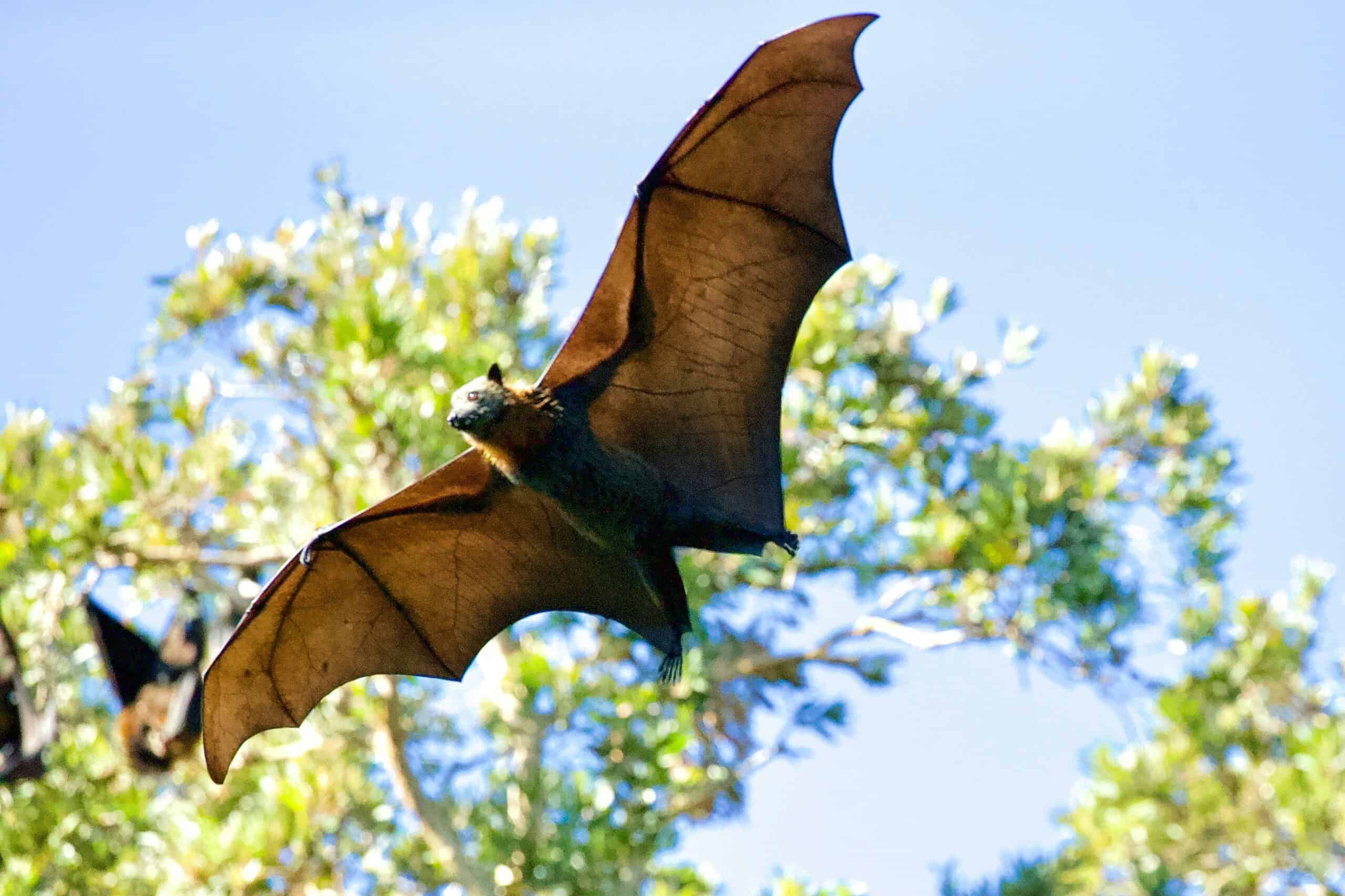
Bats are one of the most misunderstood animals K2 Kritter Solutions deals with, and also one of the most legally complicated. In Colorado, bats are a protected species under state and federal wildlife law. That means you cannot simply trap them, kill them, or remove them at any time of year using any method you choose.

The law dictates when and how exclusions can be performed, and ignoring those rules carries real consequences.
That said, a bat colony roosting in your attic, walls, or chimney is not something you can ignore either.

The guano accumulates fast, creates serious air quality hazards, and the structural damage compounds over time. If you have bats in your home or building, the right move is to call a professional who knows Colorado's regulations and has experience performing legal, effective exclusions.

Bat Behavior and Habits

Colorado is home to several bat species, with the big brown bat and little brown bat being the most commonly encountered in residential and commercial structures. Bats are nocturnal, feeding on insects at dusk and dawn. A single bat can consume thousands of insects per night, which makes them genuinely valuable to the local ecosystem -- but that ecological benefit does not make a colony in your attic any less of a problem.

Bats roost in large numbers and are highly loyal to their roosting sites. A colony that finds a way into your attic in spring will return to that same location year after year. They squeeze through gaps as small as 3/8 of an inch, which means almost any gap in a roofline, fascia board, or exterior wall is a potential entry point.

Colorado also has a maternity season, typically running from late spring through mid-August, during which mother bats are raising pups that cannot yet fly. Exclusions are prohibited during this window in most circumstances because sealing the entry points while pups are inside causes them to die in the structure, which creates a worse odor and contamination problem than the colony itself.

Signs You Have Bats

  • Noises at dusk or dawn. Scratching, squeaking, or rustling sounds from the attic or walls in the early evening or just before sunrise are a strong indicator.
  • Guano accumulation. Bat droppings look similar to mouse droppings but tend to crumble to a powder when crushed. You may find them beneath entry points on the exterior or inside the attic.
  • Dark staining around entry points. Bats leave oily residue from their fur around the gaps they use repeatedly. Look for dark smudging near roofline gaps, vents, or soffits.
  • Bats seen exiting at dusk. Watching the roofline at dusk is one of the most reliable ways to confirm a colony and identify entry points.
  • Ammonia odor. A strong ammonia smell coming from the attic or walls is often a sign of significant guano buildup.

Can You Handle Bats Yourself?

This is one of the few critters where a DIY approach is not just inadvisable -- it can be illegal. Here is why:

Colorado law protects bats. Killing bats or using exclusion methods outside of approved seasonal windows violates state and federal wildlife protections. The penalties are real.

Timing matters. If you seal entry points during maternity season, pups die inside the structure. The resulting odor and contamination problem is significantly worse than the original roost.

Guano cleanup is a hazmat situation. Bat guano can harbor Histoplasma capsulatum, a fungus that causes histoplasmosis when disturbed and inhaled. Cleanup requires proper respiratory protection and handling procedures.

What you can do: If you see a single bat inside your living space, you can carefully contain it in a room, open a window, and allow it to exit on its own. Do not handle it with bare hands. If anyone in the household may have been exposed while sleeping, contact your local health department regarding rabies exposure protocols -- bat bites can go unnoticed.

Beyond that, call a professional. Bat exclusions done correctly involve a full inspection, installation of one-way exclusion devices during the legal window, and sealing of all secondary entry points once the colony has exited. It is not a one-afternoon job.

Get Rid of Bats the Right Way

K2 Kritter Solutions has been handling bat exclusions in the Colorado Springs area since 2010. We know the legal windows, we know how bats behave, and we know how to get them out without making the problem worse. We do not use poisons or harmful chemicals -- our methods are 100% humane and compliant with Colorado wildlife law.

If you are hearing bats, finding guano, or seeing them exit your roofline at dusk, do not wait. The longer a colony occupies a structure, the more cleanup and repair work is involved when they finally come out.

Call us at (719) 358-1856 or fill out our contact form to schedule an inspection. We will tell you exactly what you are dealing with and what it will take to resolve it.

Sign Up To Newsletter
Copyright K2 Kritter Solutions 2026 All Rights Reserved.